


Choosing the Perfect Dugout for Your 12U Player: Prioritizing Skills and Comfort
- Tammy Evans
- Nov 1, 2025
- 4 min read


When my daughter turned twelve, I saw her steady hands, eager mind, and a heartfelt desire to learn the game—not the politics. With my background in coaching and education, I decided this was the year for her to step out on her own. While her friends moved up to 14 u, she was ready to test her skills as a competitive 12 u player on a team of her own. She aimed for the highest A and B level organizations in the state, known for having top-notch pitchers. I felt she was ready for this new challenge.
She voiced her dreams of playing at a high level, making it clear that the time had come for a leap of faith. I had previously coached her in recreation and even developed a town travel team for her and her peers. In recreational leagues, players are sorted by skill, and she often found herself in higher age groups due to her capabilities.
The Importance of Comfort in a Competitive Environment
Our journey started with tryouts the year before, and the first one was pivotal. We traveled over an hour to reach an “advanced” tryout, filled with excitement and nerves. However, within just fifteen minutes, I noticed her signaling us to come over. The coach was using harsh language and belittling players struggling with the warm-up routines.
It’s worth noting that these young athletes, aged 11-12, are on the cusp of puberty and are still learning to navigate their emotions. My daughter calmly approached the coach and said, “I’m not interested.”
“Why?” he inquired, surprised.
“You seem very aggressive,” she replied.
That was the end of it. No drama, no lectures. We simply got back in the car and headed home. Her boundary was clear, and as a parent, I needed to respect that.
Understanding the Role of a Catcher
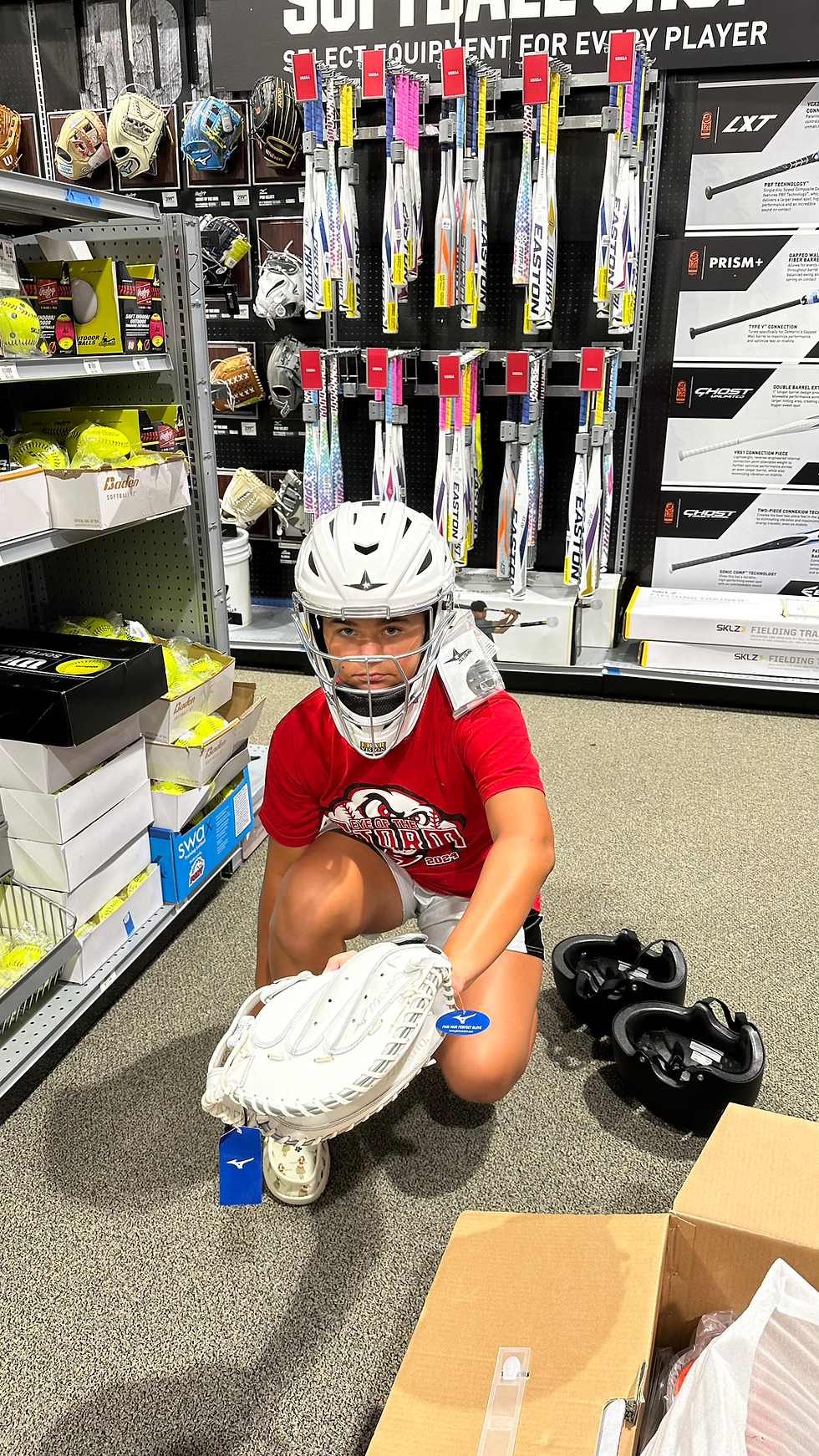
Catching is a demanding position that calls for physical skills as well as mental toughness. A catcher must read the game, communicate with pitchers, and stay positive, especially during tough moments. The proper environment can significantly influence young athletes, particularly girls.
As parents and coaches, we must understand that emotional and psychological support is just as vital as honing technical skills. A nurturing atmosphere fosters growth, while negativity can diminish a young player's love for the sport. Research shows that athletes in supportive environments are 25% more likely to pursue sports long-term compared to those who face discouraging coaching.
Finding the Right Team

After the first tryout, we recognized the need for a more thoughtful approach. The right team should challenge her abilities but also create a positive space. We began researching different organizations to find teams known for supportive coaching and effective player development.
Finding a balance between competition and comfort became crucial. My daughter needed challenges, but she also needed safety and encouragement, which can sometimes be missing in large organizations where many parents take on coaching roles with limited experience.
As parents, thoroughly research and ask plenty of questions. Evaluate coaching philosophies and trust your instincts. While it might take some patience, there's no need to feel pressured. You can always join and later choose to leave.
With numerous teams and varying levels, this is an excellent learning platform for families when approached positively. If you encounter a toxic experience within an organization, you can confidently leave and find a better environment. This empowers your daughter to make wiser decisions in her own life. As parents, it's essential to teach them to let go of things beyond our control, like poor role models or parting ways with good friends who choose different paths. It's all part of growth, and our role is to guide them towards safe environments and teams.
Another Tryout: A Positive Experience
The second tryout was an exhilarating change. This time, the coaches were tough as nails, setting high expectations and offering constructive feedback instead of harsh criticism. My daughter felt completely at ease, and it was amazing to see her confidence soar as she dove into drills and connected seamlessly with other players.
She left this tryout buzzing with excitement about the possibility of joining the team if she made it. The coaches not only honed in on skill development but also highlighted the importance of teamwork—perfectly aligning with her goals. This experience was a stark contrast to the first one, underscoring just how crucial it is to find the right dugout.
The Role of Parents in Youth Sports
As parents, we hold a vital role in shaping our children's sports experiences. Supporting their decisions is crucial, especially when they need to voice their concerns. My daughter's ability to speak up at the first tryout was a significant milestone, highlighting the importance of communication in sports.
Encouraging young athletes to advocate for themselves builds their confidence and imparts valuable life skills. We should create an environment where they feel secure in sharing their thoughts, whether about a coach, a teammate, or their performance. Studies show that children who feel respected and heard are 30% more likely to stay involved in their sport.
The Commitment to Growth
Once my daughter found a team that felt right, the commitment to growth truly began. She embraced the challenges in practice, learned new techniques, and developed friendships with her teammates. The coaches prioritized skill development and emphasized hard work and perseverance.
As her parent, witnessing her transformation was rewarding. She learned to manage setbacks, celebrate achievements, and support her teammates. The right dugout equipped her with the tools to thrive both on and off the field.
The Journey to Success
Choosing the right dugout for your 12 U player is about more than just talent; it’s about creating a supportive environment that promotes confidence and growth. As parents, we need to stay vigilant in identifying the signs of a healthy or shameful atmosphere, urging our children to stand up for themselves.
The road ahead will present challenges and opportunities. With the right team, my daughter is on the path to realizing her dreams. As she develops her skills and passion for the game, I am reminded of the balance between competition and comfort—between pushing limits and honoring personal boundaries.
Ultimately, this journey is not solely about the game; it’s about the life lessons we gather along the way.


Comments