


Transforming Sports Culture: From Shame to Leadership Insights by Tammy Evans
- Tammy Evans
- Nov 5, 2025
- 14 min read

TeachCoachParent
To my reader:
This excerpt is from my personal book, Naive Perceptions. I hope you find it enjoyable, as I have dedicated countless hours to crafting a better future for our children and yours.
Part III: Changing the Culture of Sports — From Shame to Leadership
Introduction
Sports were my sanctuary and my battleground.
I learned discipline under the lights, but I also learned how shame can hide in plain sight—behind trophies, travel bags, and sideline smiles.
For twenty years I’ve watched parents measure love by statistics, coaches confuse control with leadership, and organizations reward the loudest adults instead of the healthiest ones. It isn’t because people don’t care—it’s because we were never taught what emotionally safe coaching or parenting looks like.
Shame doesn’t disappear when a uniform goes on. It just finds a louder crowd.
"Healing my own story revealed a simple truth: the same patterns that wound children at home can also wound athletes on the field."
This part of Naive Perceptions is about changing that. It’s about bringing humanity back into youth sports—teaching coaches to lead from regulation, not reaction; teaching parents to cheer without comparison; and teaching organizations that success without safety is failure in disguise.
Chapter One — When Winning Replaces Well-Being
The first time I saw a ten-year-old cry behind a dugout because her own mother yelled her name from the stands, I felt my stomach knot.
The mom wasn’t cruel. She was scared—scared her child would fail, scared she’d be judged, scared that losing meant she wasn’t enough either.
That’s the quiet truth of youth sports: much of what looks like competitiveness is really adult fear in disguise.
I’ve been that parent. I’ve been that coach.
When I was younger, I thought winning proved my worth. Every lineup was a reflection of me; every mistake, a threat to my control. The adrenaline felt like purpose, but it was really anxiety dressed up as passion.
I see it now in the bleachers and on every sideline—shame disguised as motivation.
We tell our kids that sports build character, but sometimes we build pressure instead.
We say, “Push through it,” when we really mean, “Don’t embarrass me.” We chase college scholarships even though less than ten percent will ever play beyond high school. Meanwhile, the lessons that matter—resilience, teamwork, empathy—get lost in the noise of rankings and travel schedules.
Well-being should be the scoreboard.
An athlete who feels seen, respected, and safe will play longer, recover faster, and love the game deeper.
Winning doesn’t need to vanish—it just needs to take its rightful place behind belonging.
Reflection Moment
Ask yourself:
• When did I start believing my child’s performance defined me?
• How would I parent or coach if no one were watching?
Practical Shift
1. Redefine success. End each practice by naming one act of integrity or teamwork instead of stats.
2. Model calm. Your body tone is the team’s temperature. If you breathe, they breathe.
3. Celebrate learning. “What did you figure out today?” should matter more than “Did you win?”

Chapter Two — The Parent Mirror
Every game acts as a mirror.
The bleachers, the dugout, the ride home — they all reflect back to us the parts of ourselves we haven’t yet healed.
I didn’t understand this at first.
When my oldest began playing travel softball, I sat through every inning with my stomach in knots. If she struck out, I felt it in my chest. If she made a mistake, I saw it as my own. I told myself I was just being supportive, but the truth was harder to face: I was reliving my own shame through her performance.
We say youth sports are “for the kids,” but too often, they become stages for adult emotions. Parents who once felt invisible finally feel seen when their child shines. Those who were never affirmed find their worth in a child’s success. And those who were shamed for failing now panic when their child shows the same human imperfection.
The field becomes the stage where old wounds perform.
The Ride Home
The most dangerous moment in youth sports isn’t the last play — it’s the car ride home.
That’s where children learn whether their worth depends on outcomes or effort.
I’ve watched athletes’ shoulders tense before their parents even reach the parking lot. They know the questions:
• “Why didn’t you swing?”
• “What were you thinking?”
• “How could you miss that?”
They know because we taught them. Not through words, but through tone — the same tone we once heard when we fell short.
When parents use shame to motivate, they’re really trying to soothe their own fear. Fear that their child will fall behind. Fear that others will judge. Fear that their effort or investment won’t pay off. But kids don’t hear fear — they hear disappointment.
And disappointment, when repeated enough, sounds like rejection.
How the Cycle Continues
I’ve seen parents who donate hours to their child’s team still carry guilt because they feel unseen. I’ve seen mothers cry quietly in parking lots because another parent’s daughter made varsity before theirs. I’ve seen fathers pressure their sons not because they’re cruel, but because they believe success is protection — that confidence comes from winning, not belonging.
But every child knows when love is conditional.
They can’t always name it, but they feel it in their bodies — the tightness before games, the tension in their jaw, the silent pressure to perform just to keep the peace.
Sports are supposed to be practice for life, not rehearsal for shame.
Reflection Moment
Ask yourself:
• When my child struggles, what part of me gets triggered?
• Am I cheering for them — or for the version of me that never felt enough?
• How can I separate my worth from their performance?
Practical Shift
1. Pause before feedback. After games, start with, “I love watching you play.” Let the conversation end there if needed.
2. Share stories of your own mistakes. Show your child that failure is normal and survivable.
3. Model regulation. If emotions run high, take a breath or a short walk before you speak. You’re not just parenting a player — you’re teaching a human how to handle life.
Chapter three --- Volunteer Coaches and Silent Harm

Every spring, new teams form — and so do new dynamics.
A volunteer steps forward, a roster fills, and before anyone realizes it, the emotional tone of an entire season is set by whoever holds the lineup card.
I’ve seen incredible volunteer coaches — patient, balanced, intentional. But I’ve also seen the quiet harm caused by those who lead from ego, insecurity, or inexperience. Not because they’re bad people, but because they’ve never been taught how to manage their own emotions before managing a group of children.
The Hidden Power of the Coach
A coach’s words linger far longer than they realize.
A compliment can shape confidence for years; a sarcastic remark can echo in an athlete’s head every time they step up to the plate.
When I started coaching, I thought toughness built resilience. I believed that if I demanded more, they’d deliver more. And for a while, it looked like it worked — we won. But what I didn’t see was the tension in their shoulders, the tears they held back, the way they looked over their shoulder before speaking.
Shame can wear a whistle.
When coaches compete with the very children they’re supposed to guide, it becomes toxic. They start manipulating lineups to reward loyalty instead of effort. They give their own child special privileges — more innings, better positions — because deep down, they’re trying to prove something about themselves.
And the team watches.
They see favoritism. They see what earns praise and what earns punishment. Children are always studying the adults in charge to learn what fairness means — and what it doesn’t.
The Ripple Effect
When adults lead from a wound, the effects ripple outward:
• Parents begin competing with each other instead of connecting.
• Players start equating self-worth with approval.
• Teams fracture into cliques, and joy gets replaced with tension.
And yet, this all happens quietly — under banners of “commitment” and “team culture.”
Nobody calls it harm because it doesn’t always look like yelling or bullying. Sometimes it looks like silence: a child who stops smiling during practice, or an athlete who stops trying because they know they’ll never earn equal playing time.
The Solution: Education and Awareness
We can’t fix what we won’t name.
Volunteer coaches deserve training — not just in drills and strategy, but in communication, emotional regulation, and fairness. Every organization should teach that authority is not ownership.
Leading children is a privilege that requires reflection.
Good coaches build systems; great coaches build people.
Imagine a world where every volunteer coach began the season with this statement:
“Every child on this team will leave feeling seen, supported, and respected — regardless of talent or position.”
That single declaration could change everything.
Reflection Moment
Ask yourself:
• What unhealed part of me shows up when I coach?
• Do I use power to protect or to prove?
• Would I want someone to coach my child the way I coach other people’s children?
Practical Shift
1. Coaching code of conduct. Organizations should require annual workshops on emotional safety, bias awareness, and communication.
2. Rotation and inclusion. Make “equal opportunity” a developmental goal, not a reward.
3. Peer mentorship. Pair new volunteer coaches with experienced mentors who model regulation and fairness.
Chapter four -- Toxic Traditions and the Cost to Girls
There’s a quiet exhaustion that settles over girls in sports — a look I’ve seen too many times.
They start out wide-eyed, confident, and eager. Then somewhere between middle school and high school, something shifts. The joy gets replaced with pressure, comparison, and silence.
It’s not always the game that changes.
It’s the adults running it.
The Weight of Tradition
For generations, the sports world has been shaped by male expectations — “toughness,” “grit,” “no excuses.”
And while those traits can build discipline, they can also build walls. Girls learn to hide emotion because they’re told it’s weakness. They learn to accept unfair treatment because “that’s just how it is.” And they learn that to be noticed, they have to outperform, outlast, and out-silence everyone else.
The problem isn’t the girls — it’s the model they’re inheriting.
Too many programs still treat female sports like charity work: underfunded, understaffed, and under-coached. Men dominate the higher-paying positions, while women with years of lived experience are left volunteering on the sidelines. The imbalance sends a message before a word is spoken — that female voices are optional, not essential.
The Disservice of Distraction
While organizations rake in money through travel tournaments and uniforms, real development often takes a backseat.
Behind the social media posts and banners, there are girls who feel unseen, misunderstood, or even unsafe. They’re told to smile and “enjoy the experience,” even when they’re being coached by adults who never learned to self-regulate.
It’s a disservice disguised as opportunity.
We call it elite. We call it exposure. But if our girls leave the sport doubting their worth or their body, what exactly did we teach them?
The Emotional Cost
As a mother of daughters and a lifelong coach, I’ve watched talented girls quietly quit. Not because they didn’t love the game, but because the environment stopped loving them back.
They were tired of politics.
Tired of favoritism.
Tired of adults who made the game about themselves.
Girls need more than skills — they need belonging.
When a young female athlete feels emotionally safe, she doesn’t just play better — she becomes stronger, more expressive, and more confident in every area of her life.
Creating Change
To change the culture, we must start by valuing the emotional development of girls as much as their athletic development. That means:
• Hiring more women in leadership and coaching roles.
• Providing equal access to facilities, resources, and mentorship.
• Training male coaches to understand the unique psychological needs of young women — without judgment or defensiveness.
It also means listening — really listening — to the voices of the girls themselves. They will tell us what they need if we create space safe enough for honesty.
Reflection Moment
Ask yourself:
• Do the girls I coach or parents feel emotionally safe in this program?
• Who benefits most from the way we run things — the children or the adults?
• What tradition am I holding onto that might be hurting someone?
Practical Shift
1. Audit equality. Compare the funding, field time, and coaching quality between boys’ and girls’ programs — and fix the gaps.
2. Empower female leadership. Create pipelines for mothers, former athletes, and teachers to step into coaching and decision-making roles.
3. Normalize emotion. Teach that crying, frustration, and vulnerability are signs of humanity, not weakness.
Chapter five--Coaching from Wholeness, Not Ego

The best coaches don’t just teach the game — they teach how to be human inside it. They understand that performance starts in the nervous system, not the scoreboard.
But to reach that level, a coach has to do the hardest work of all: their own healing.
When Coaching Becomes a Mirror
I used to think coaching was about control.
If I worked harder, planned better, and stayed tougher, my players would rise with me.
And they did — until I realized they were performing for approval, not joy.
When I finally looked inward, I saw how much of my coaching came from fear — fear of losing, fear of looking unqualified, fear that if my team failed, it meant I had failed too.
That fear disguised itself as intensity. But underneath, it was shame — the same shame I had carried since childhood, now wearing a whistle and a clipboard.
Coaching from ego feels powerful. Coaching from wholeness feels peaceful.
Wholeness happens when you no longer need your athletes to validate you. You coach for their growth, not your reputation.
You celebrate effort, not control.
You speak without humiliation.
The Power of Regulation
A regulated coach can change an entire team’s chemistry.
When a coach stays calm during a tough call or a bad inning, it signals safety. Athletes learn that mistakes aren’t fatal.
Their bodies relax, and real learning begins.
Ego yells. Wholeness breathes.
Ego demands obedience. Wholeness builds trust.
Ego wants credit. Wholeness wants connection.
You can’t fake calm. Kids feel it.
They know when your energy is centered — and when it’s not.
Rewriting the Playbook
A coach who has done their own inner work models something far more powerful than any drill: emotional honesty.
You can teach accountability and kindness in the same breath. You can hold standards without shame.
And when you make a mistake — because every coach does — you can repair it out loud.
Imagine a coach saying:
“I was too hard on you yesterday. That wasn’t leadership, that was frustration. I’m sorry. Let’s start fresh.”
That moment teaches more about leadership than any speech after a win.
Reflection Moment
Ask yourself:
• Why do I coach? To build people or to prove something?
• When I get angry, what fear is hiding underneath?
• How often do I repair after I overreact?
Practical Shift
1. Regulation before reaction. Take ten deep breaths before addressing an error or loss. Calm is contagious.
2. Own your part. Model accountability by apologizing when you mishandle a situation.
3. Coach the person, not just the player. Learn their stories, strengths, and struggles. Coaching is teaching hearts through the language of sport.
Chapter six --- Building a New Playbook
If we want to change youth sports, we have to stop patching old systems and start building new ones.
Because what’s broken isn’t just the game — it’s the culture around it.
Everywhere I go, I hear the same quiet frustration:
Parents are exhausted. Coaches feel underappreciated. Athletes are anxious and burned out before they can drive.
And yet, the schedules get fuller, the travel longer, and the noise louder. Something has to shift.
From Fear to Framework
Most organizations operate from fear — fear of losing players, losing money, or losing status.
That fear leads to decisions that protect image instead of people. What we need instead is a framework built on values, communication, and care.
Here’s what that looks like in action:
1. Core Values First
Every organization should define what “success” really means — and it can’t be just about wins or college signings.
Success must include:
Psychological safety: No child should fear their coach or parent’s reaction after a mistake.
Equity: Playing time and opportunity reflects effort, not favoritism.
Integrity: Adults model honesty, respect, and accountability — on and off the field.
Without clear values, emotions and ego fill the void.
2. Parent Partnership
Parents are not the problem — uninformed parents are.
Organizations should host pre-season meetings that go beyond logistics.
Book a session!
Talk about:
• Emotional safety: How to handle the ride home.
• Boundaries: What’s acceptable sideline behavior.
• loop Perspective : The odds of playing beyond high school, and what truly matters more.
Teach parents that their role is to support, not to perform. When parents feel included and respected, they become allies, not critics.
3. Coach Development
Coaches need training that goes deeper than drills.
Every season should begin with workshops on:
Emotional regulation and self-awareness.
Bias and fairness — especially for those coaching their own children.
Communication and repair — how to correct without shaming.
Even volunteer coaches deserve professional support. The game deserves better than guesswork.
4. Transparency and Accountability
Healthy programs don’t hide.
Post your policies, values, and coaching expectations publicly. Encourage feedback from parents and athletes, not as complaints, but as collaboration.
The minute a child feels unseen or unheard, the mission has failed.
5. Mental Health Integration
Add emotional wellness to your training plan.
Partner with school counselors, educators, or mental health professionals.
Teach breathing techniques, grounding exercises, and reflective journaling.
Let kids know that how they feel matters just as much as how they perform.
When Leadership Gets It Right
I’ve seen it work.
I’ve watched teams transform when adults learn to pause before reacting. I’ve seen organizations thrive when leaders put people before politics. And I’ve seen young athletes — especially girls — rediscover their joy when they feel valued, not used.
Culture change doesn’t start with the kids. It starts with us — the adults brave enough to look in the mirror, admit what’s broken, and build something new together.
Reflection Moment
Ask yourself:
• What’s one system in my program that needs rethinking?
• How can I make every decision align with safety and fairness?
• What do I want my athletes to remember about how I made them feel?
Practical Shift
1. Create a written values statement. Review it before every season.
2. Implement reflection check-ins. After tournaments, ask: “What did we learn about ourselves as a team?”
3. Celebrate culture. Give as much attention to teamwork awards as championship banners.
Chapter seven--- Legacy of a Coach, Not a Trophy
There comes a moment for every coach, parent, or leader when the scoreboard fades.
The lights turn off, the field empties, and what’s left is the question that matters most:
Who did we become while chasing the win?
Trophies gather dust.
What lasts is how we made people feel.
The Moments That Stay
I’ve coached hundreds of games. I can barely remember the scores, but I remember faces — the girl who finally believed she belonged, the player who apologized after losing her temper, the mom who cried in the parking lot because someone finally saw her daughter for who she was.
Those moments were sacred.
That’s where real coaching happens — in the quiet, unseen spaces between winning and losing.
What We’re Really Teaching
Every time we speak to a child, we’re shaping their inner voice. When we shout in anger, we become the voice of shame.
When we breathe and guide with compassion, we become the voice of safety.
The way we coach today becomes the way our athletes coach themselves tomorrow.
That’s legacy.
And it’s not reserved for those with titles or salaries. The volunteer, the parent, the teacher — they all carry the power to change a child’s nervous system for life.
Leadership isn’t about being in charge. It’s about being in tune.
For the Daughters

I often think about my daughters. I’ve watched them step onto fields where the rules felt stacked, where voices around them said, “Be tougher,” “Be quiet,” “Be grateful you even get to play.”
But I’ve also watched them lead with grace, advocate for others, and build community in spaces that weren’t built for them.
They remind me every day why this work matters.
Because girls who are seen grow into women who lead.
And those women go on to raise a generation that won’t confuse shame for strength.
For the Sons
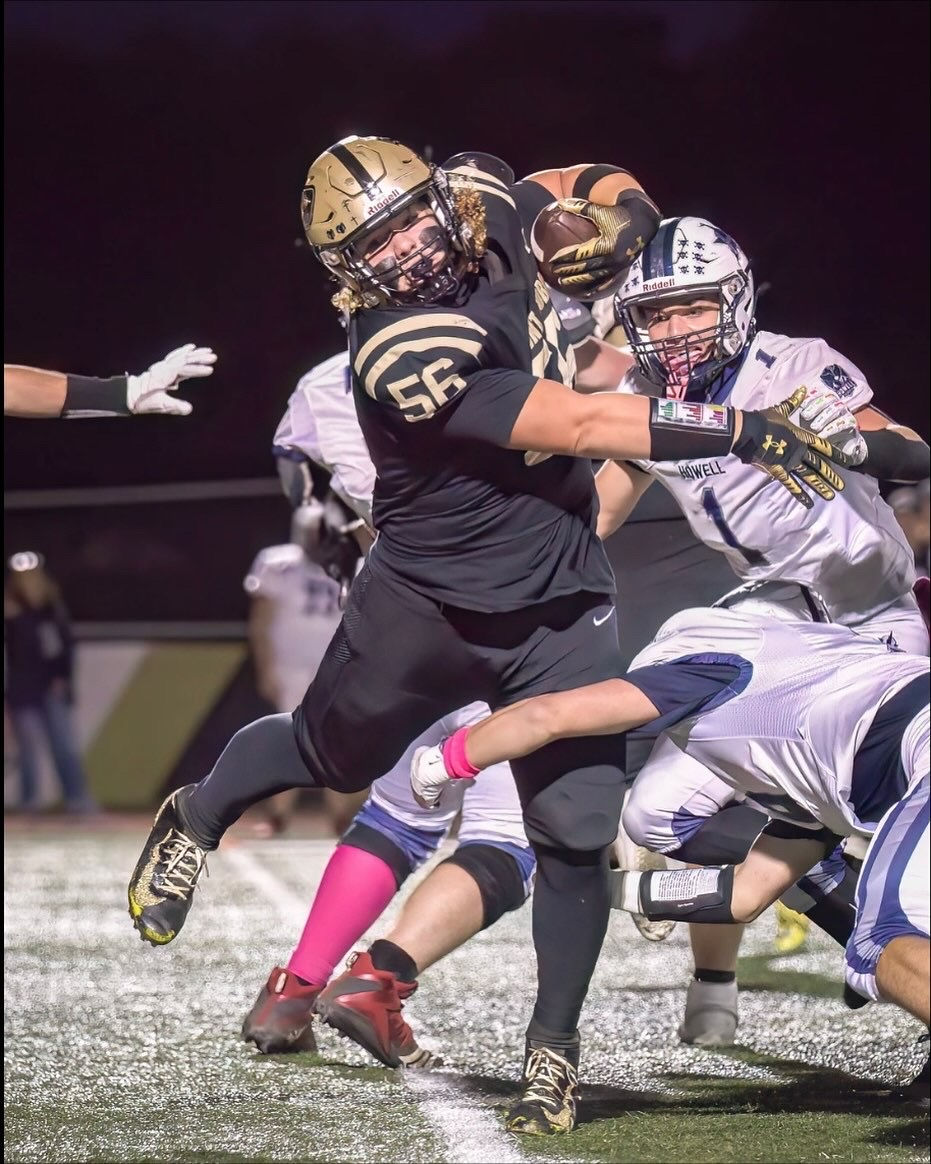
And for my son — who has watched me coach, mother, and sometimes break — I hope he’s learning that empathy is power.
That leadership without love is empty.
That showing up with humility is never weakness.
The New Definition of Winning
We’ve been sold the lie that greatness comes from dominance. But true greatness comes from alignment — when our words, actions, and intentions match who we say we are.
A winning culture is not built on fear. It’s built on belonging.
When athletes leave a program believing they matter, that’s the championship that lasts.
Reflection Moment
Ask yourself:
• If my athletes or children could describe me in one word, what would it be?
• Am I building confidence or compliance?
• What story do I want them to tell about how I led?
Practical Shift
1. Legacy Letters: At the end of each season, write a short note to every player about who they are as a person, not just as an athlete.
2. Model Humanity: Let players see you learning, failing, apologizing, and growing.
3. Redefine Victory: Measure success by connection, growth, and the courage to keep showing up.
Closing Reflection
We don’t fix the culture of sports by shouting at it — we heal it by becoming whole ourselves.
Every conversation, every huddle, every practice is a chance to choose connection over control.
If even one child leaves your program believing they’re worthy — win or lose — then you’ve already changed the game.


Comments